How it works in your body: SSRI’s affect the chemical that is in your brain called serotonin. Serotonin is a chemical that send messages to and from nerves in your brain. When a message goes down a nerve. This serotonin will stay in between one nerve and another until enough serotonin builds up. Then receptors in the cell will activate and the message will be passed on. Then the nerve will take back the serotonin that is left behind and this is called reuptake. When there are problems with this process there can cause unbalanced amounts of serotonin. When the serotonin levels are unbalanced this is when things like depression and anxiety are caused. What Sertraline does is it blocks the reuptake process and keeps more serotonin in the gaps between the cells. This allows the serotonin more of a chance of activating the receptors on the next cell. Comparison of two drugs. The first drug is Sertraline and the second drug is Celexa. They are both SSRI's that are used as antidepressants. Celexa has a larger molecular weight than Sertraline and also there are different molecules and bonds formed in Celexa than there are in Sertraline. Sertraline has a chemical formula of: C17H17NCl2•HCl Sertraline has a Molar Mass of: 342.7 g/mol. 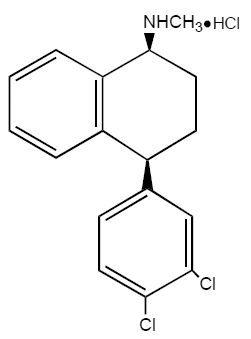 Celexa: Has a molecular weight of 405.35 Has a molecular formula of C20H22BrFN2 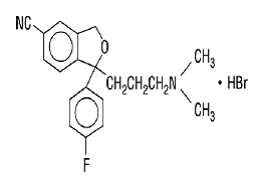 Metabolism in your body: Sertraline is taken into your body orally(in pill form). Sertraline is mostly metabolised in the liver. When inside your liver it forms N-desmethylsertraline which last longer then just Sertraline, but this is less likely to become an inhibitor while in vitro. Sources: |
||
